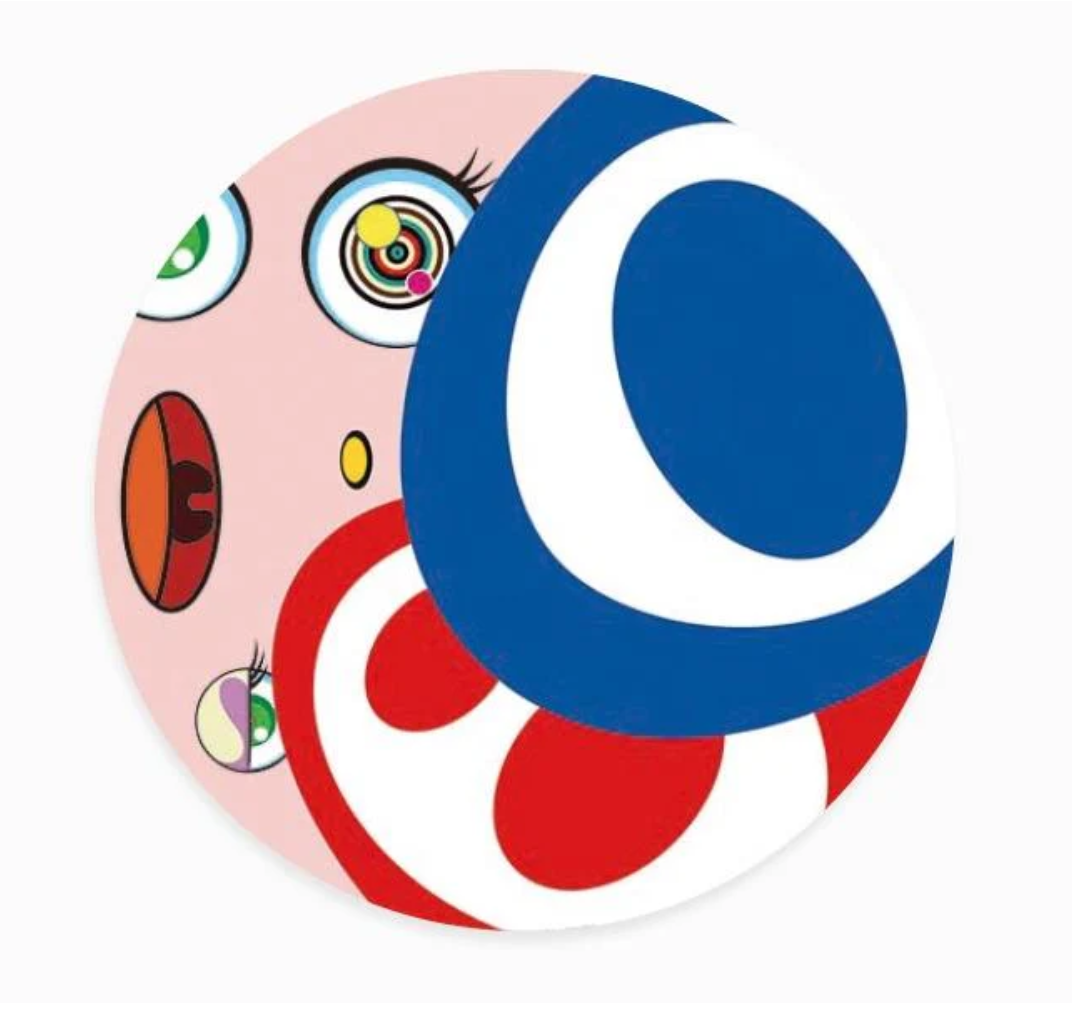
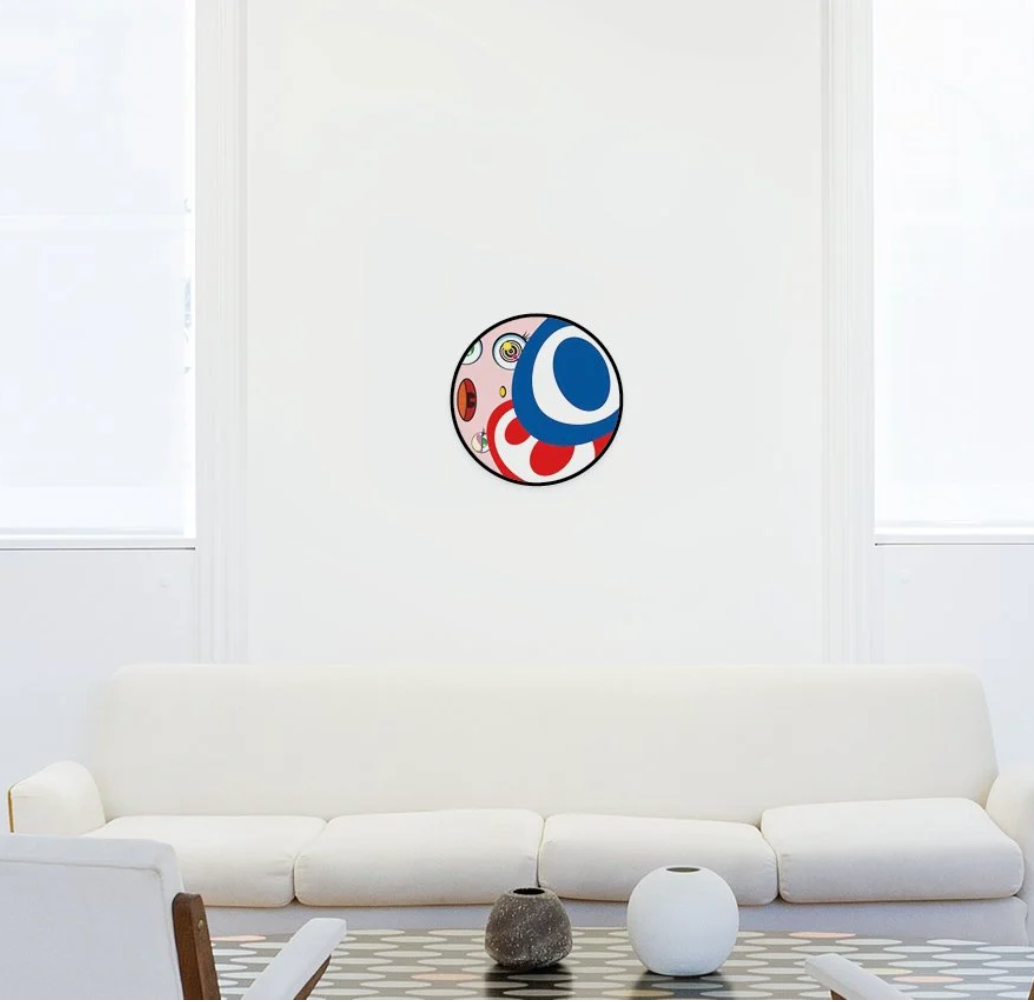
2020
Produced by Kaikai Kiki Co., Ltd., 2020
© Takashi Murakami / Kaikai Kiki Co., Ltd. All rights reserved.
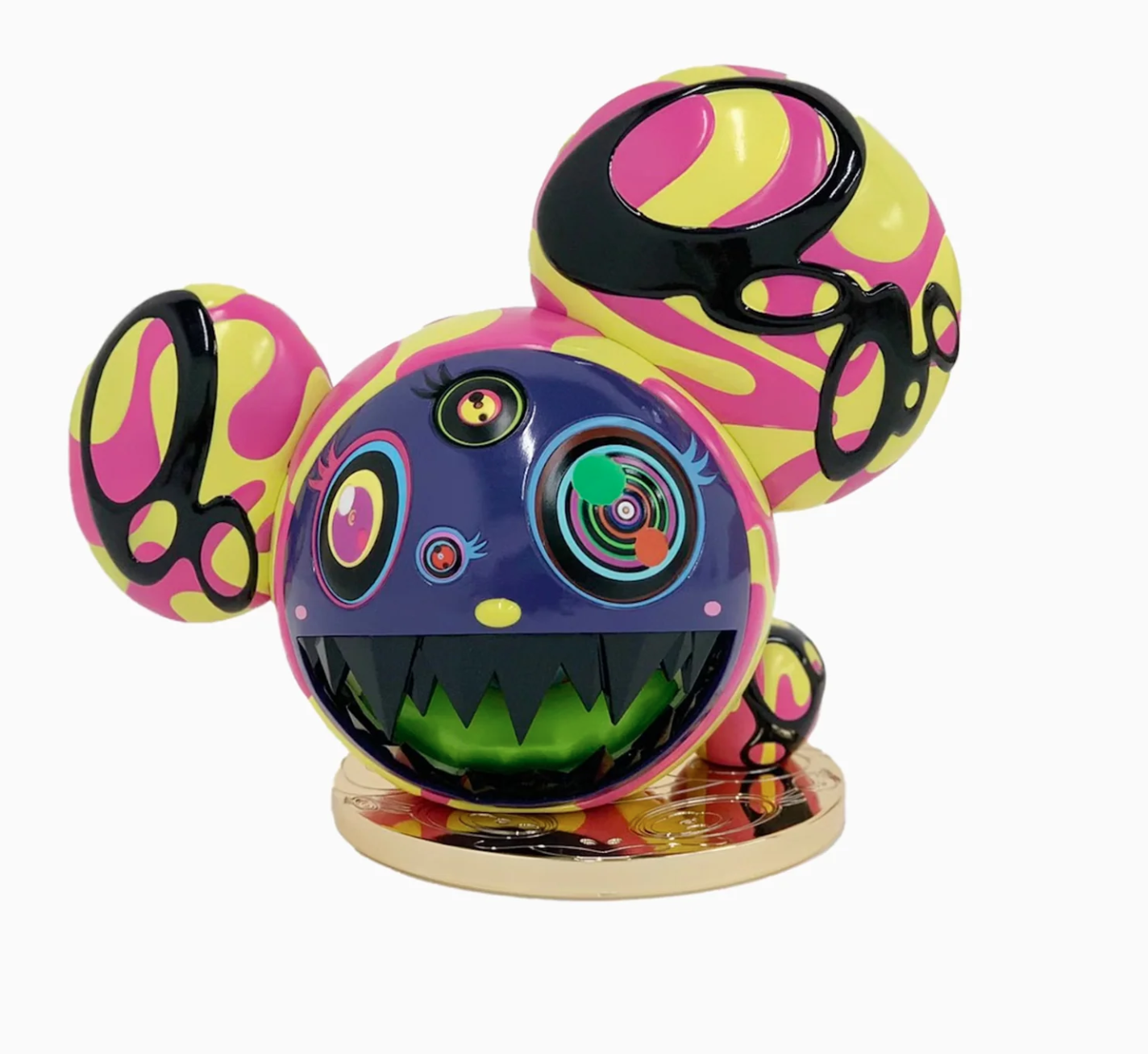
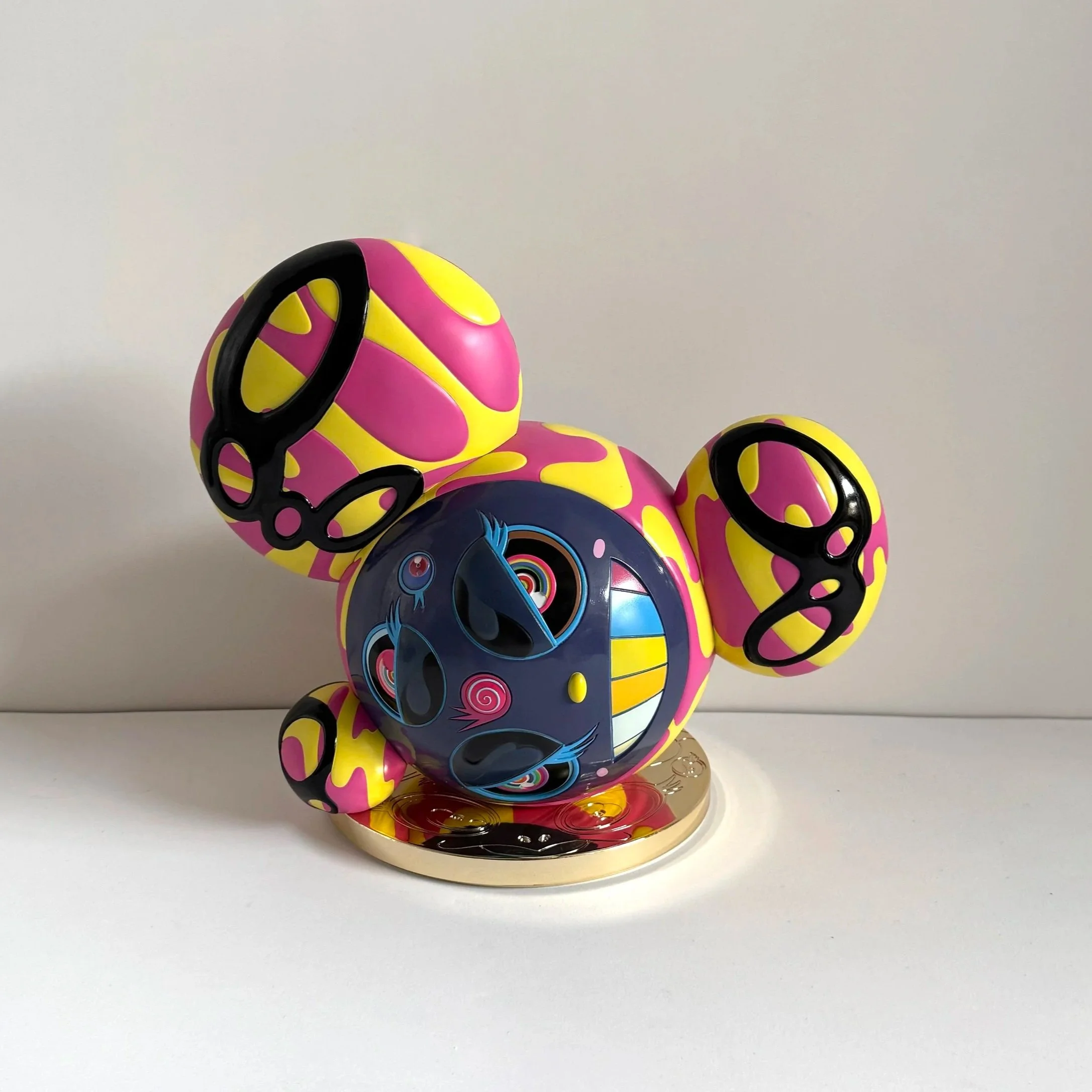
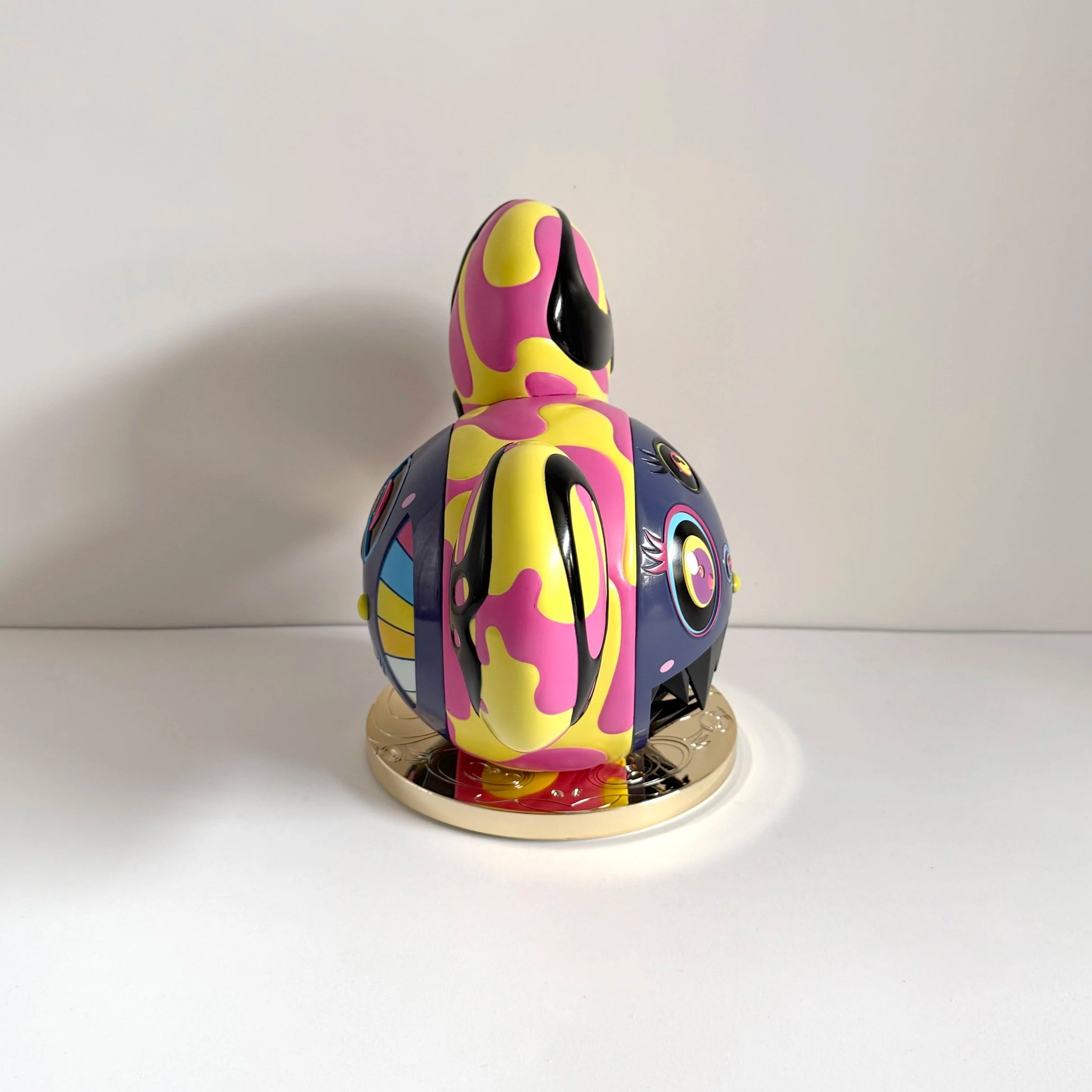
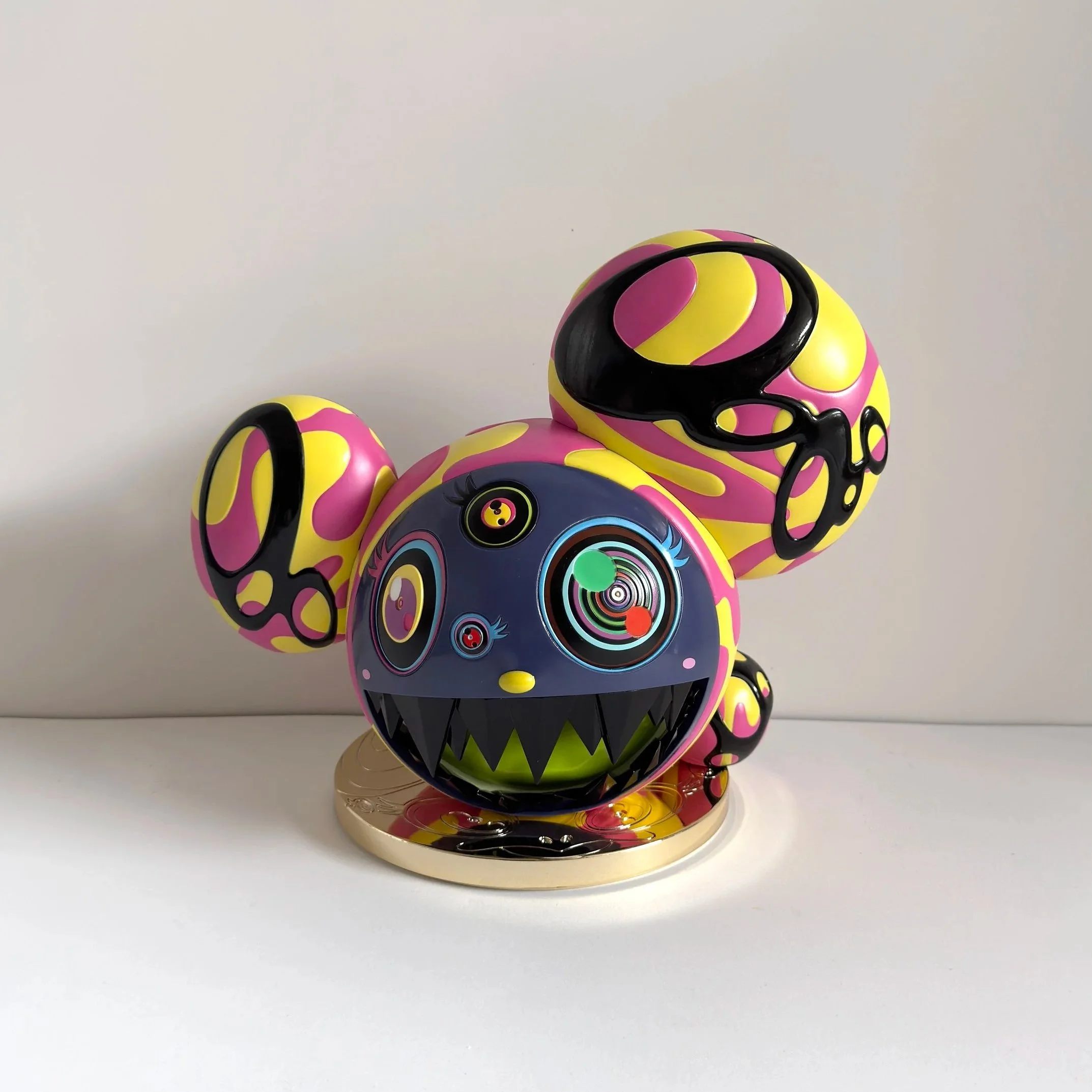
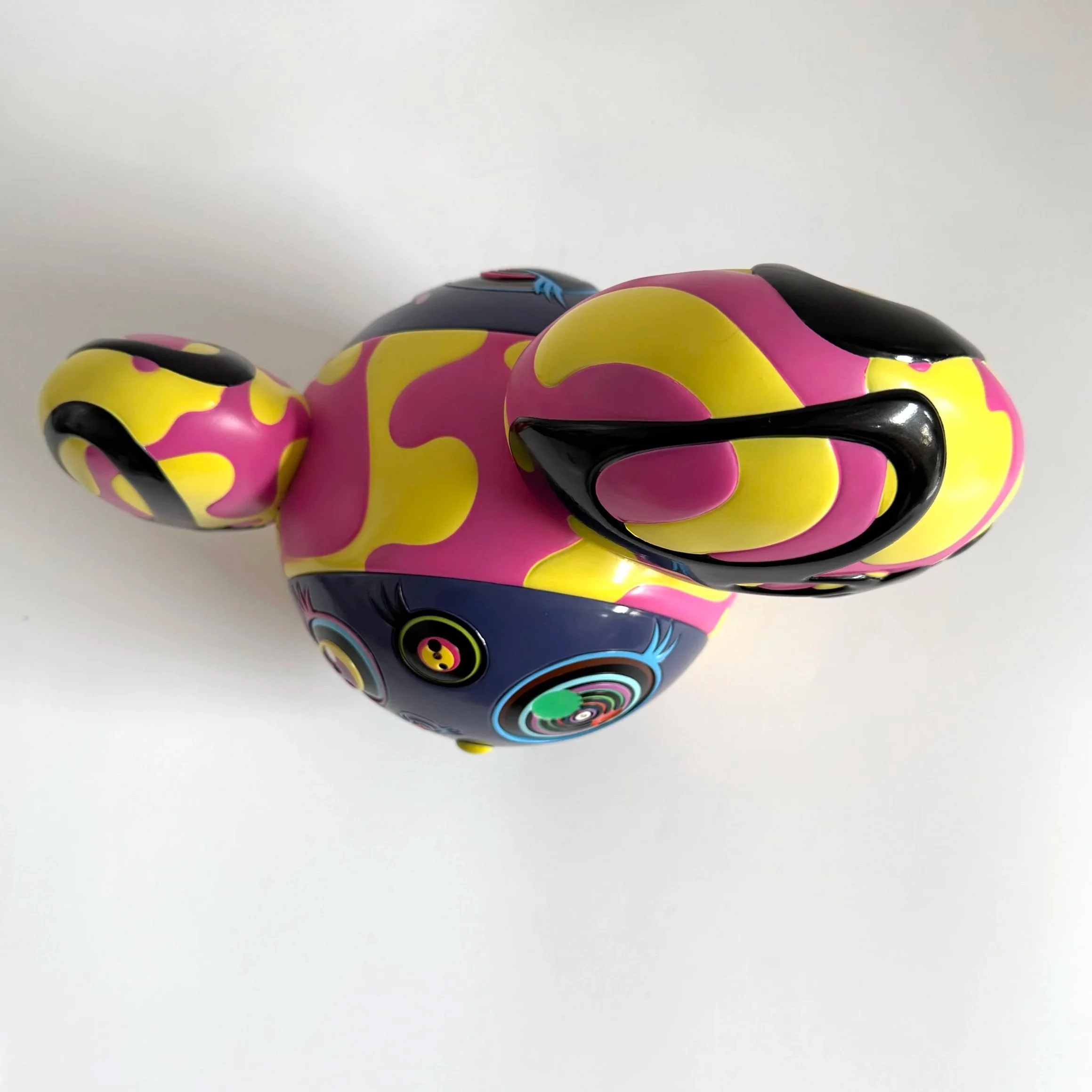
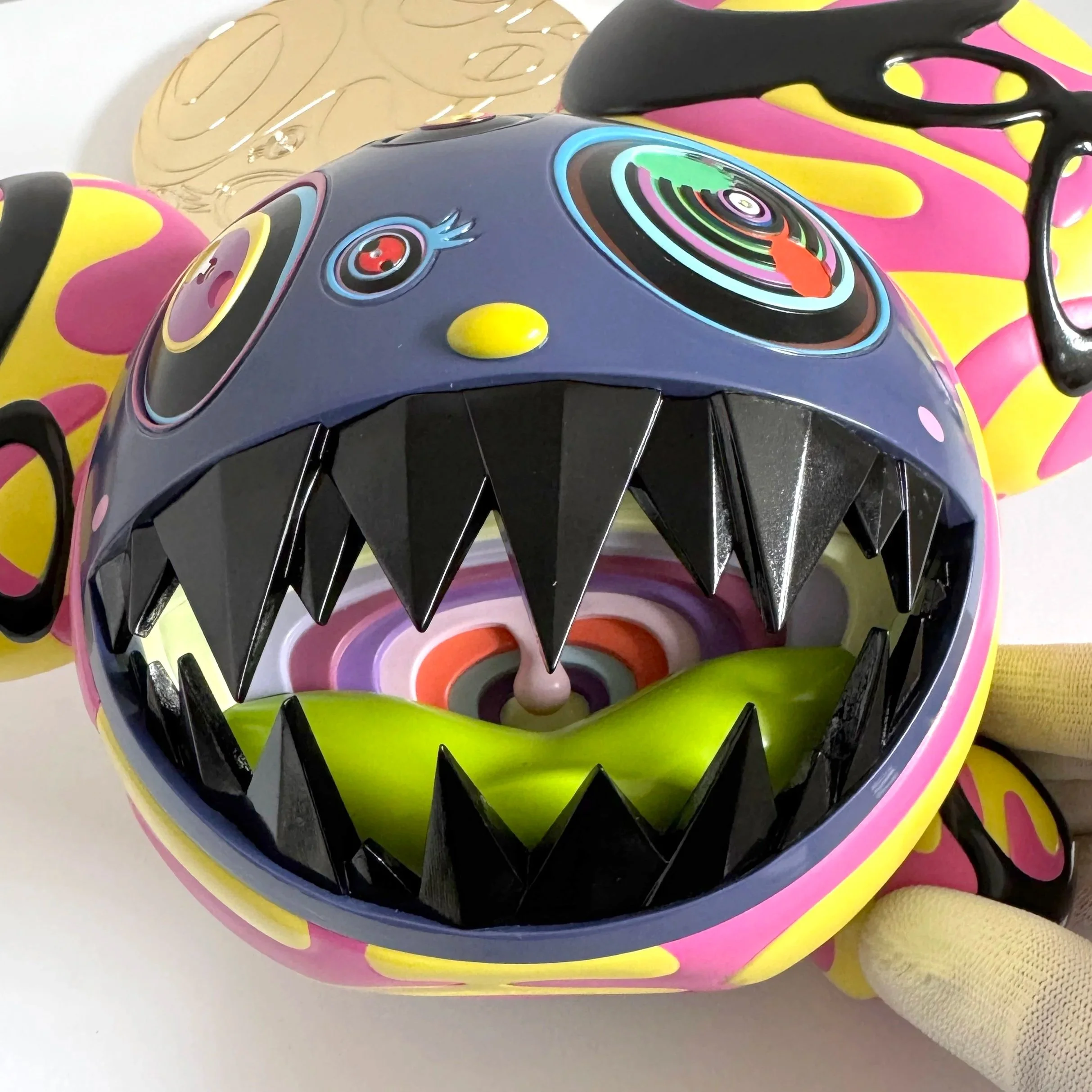
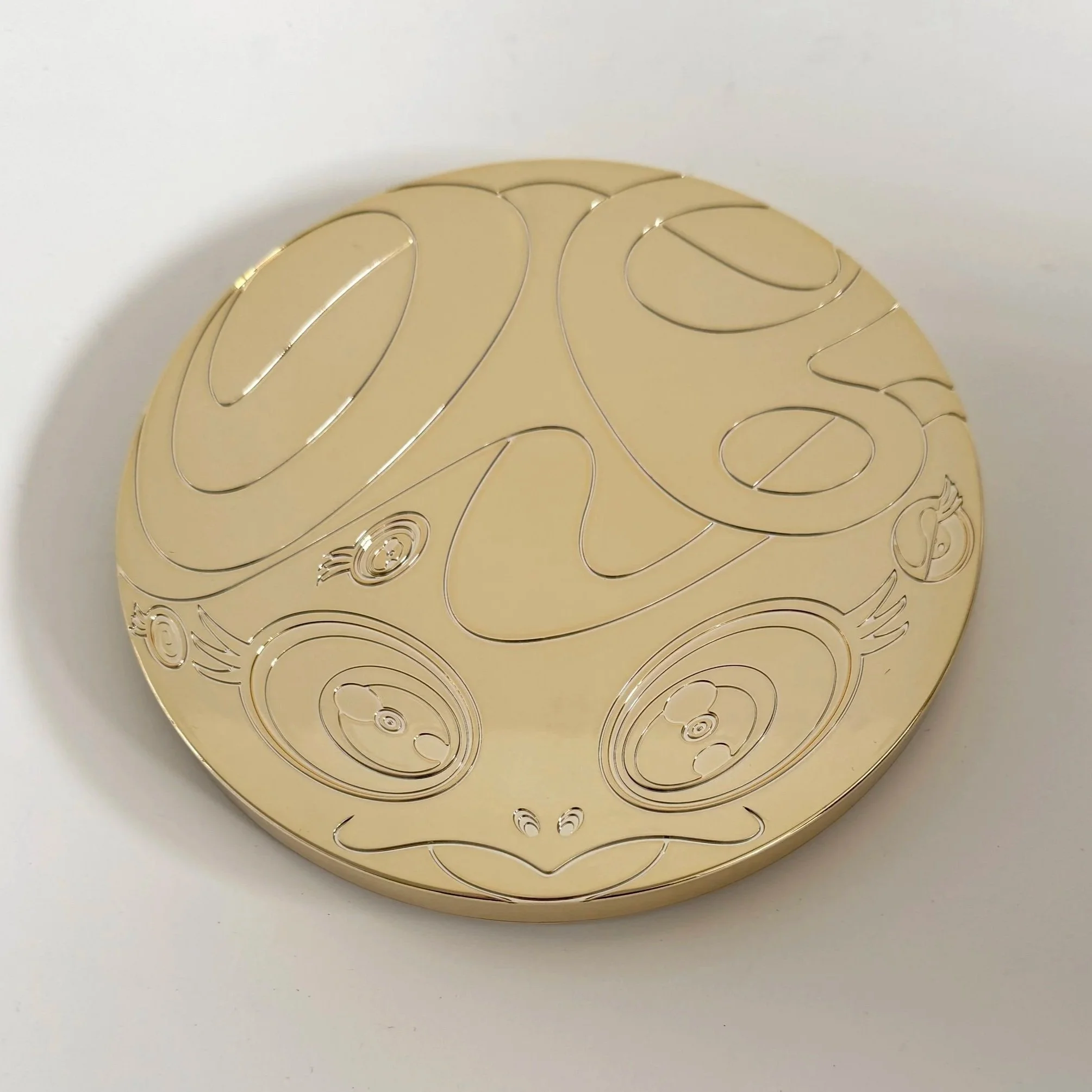
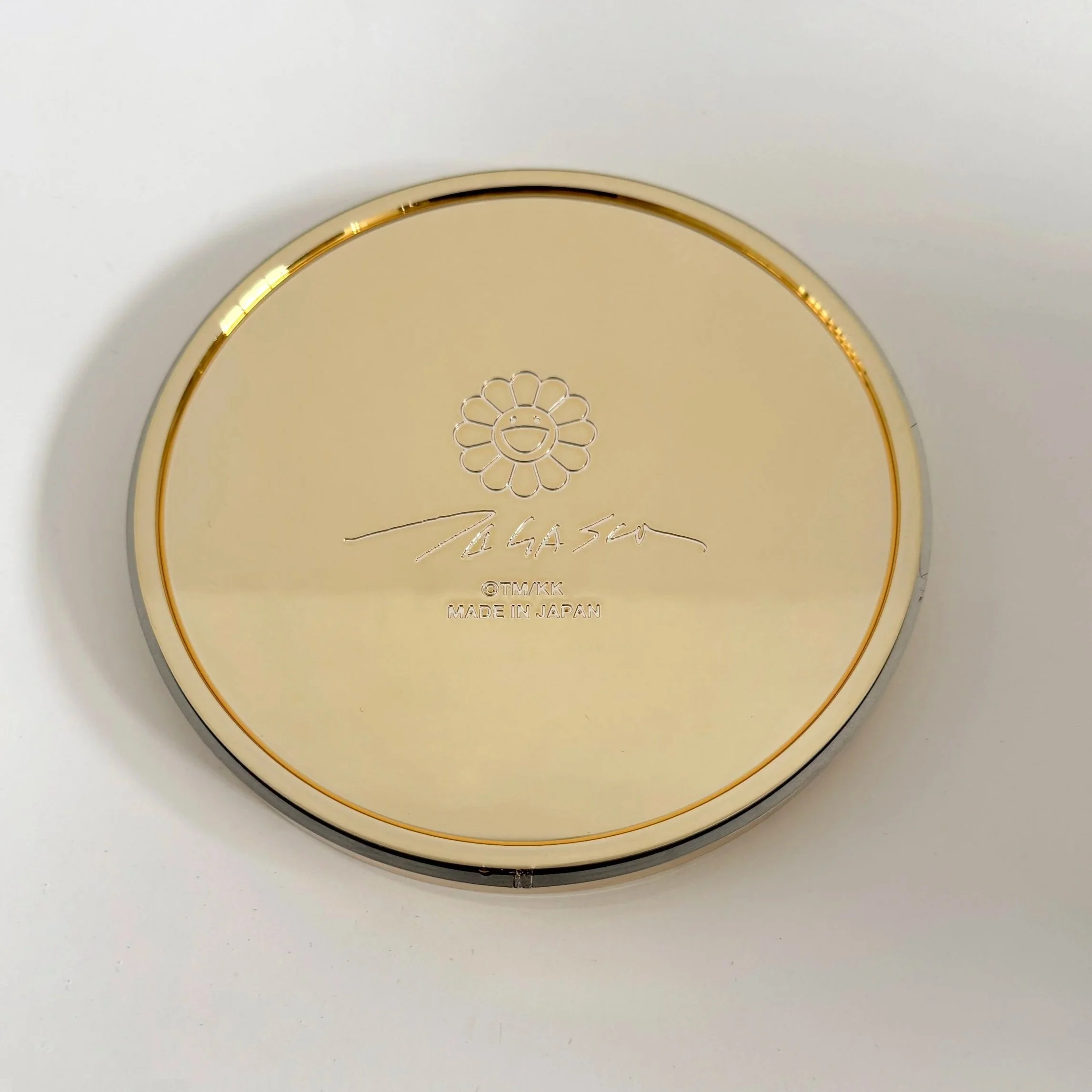
cast vinyl figurine, painted, with metal disc base
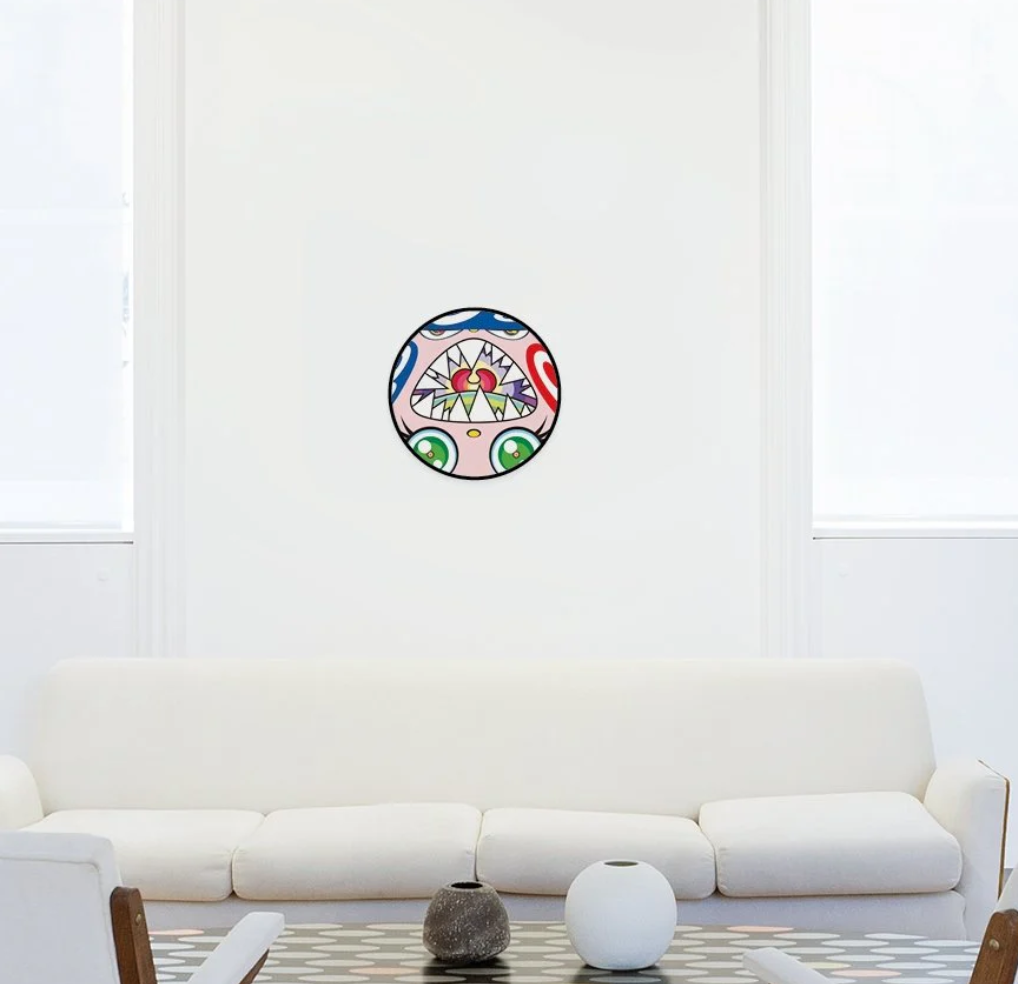
H 25.3 × W 31.5 × D 18.1 cm | H 10.0 × W 12.4 × D 7.1 inches
✔ Limited edition of 150 only
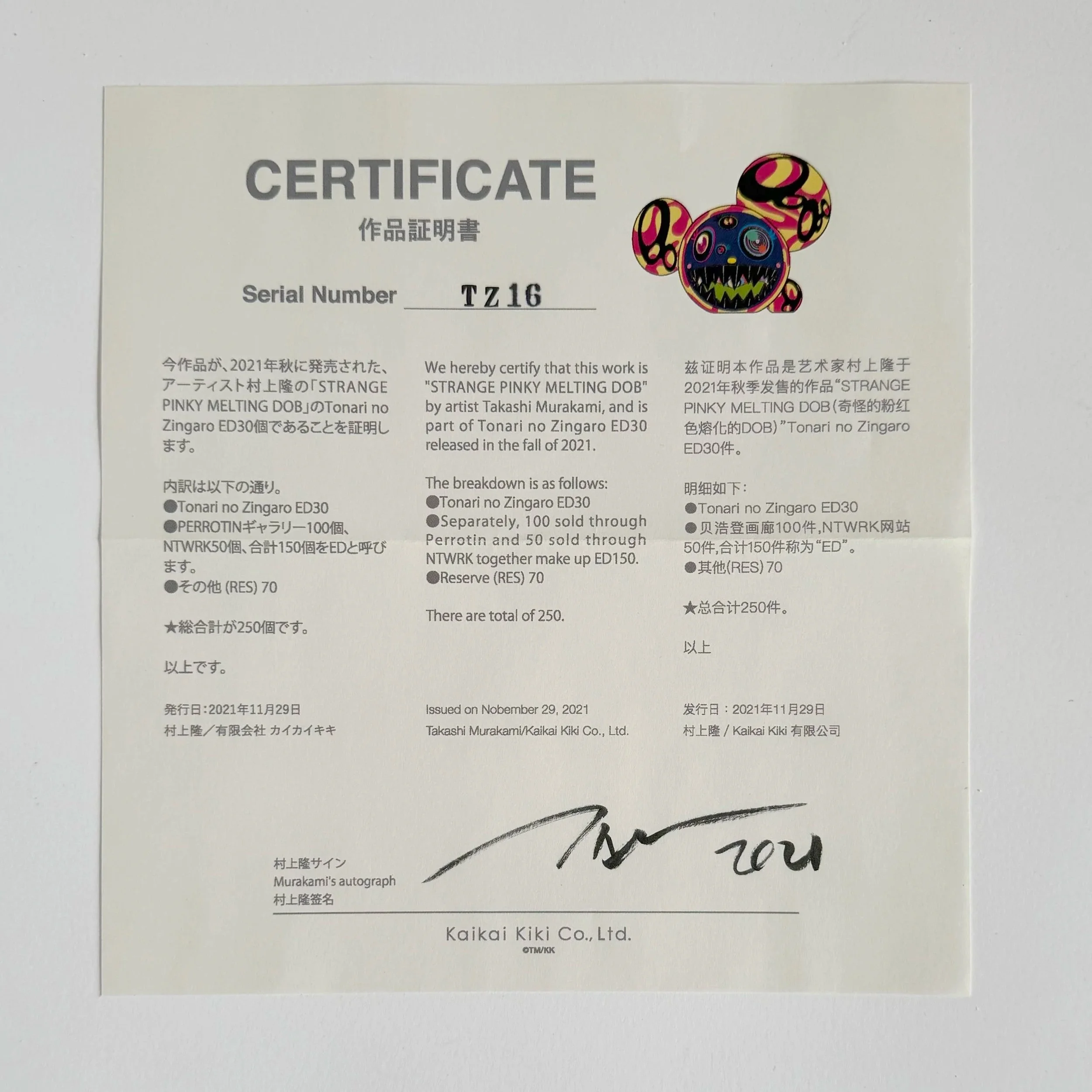
✔ Numbered COA
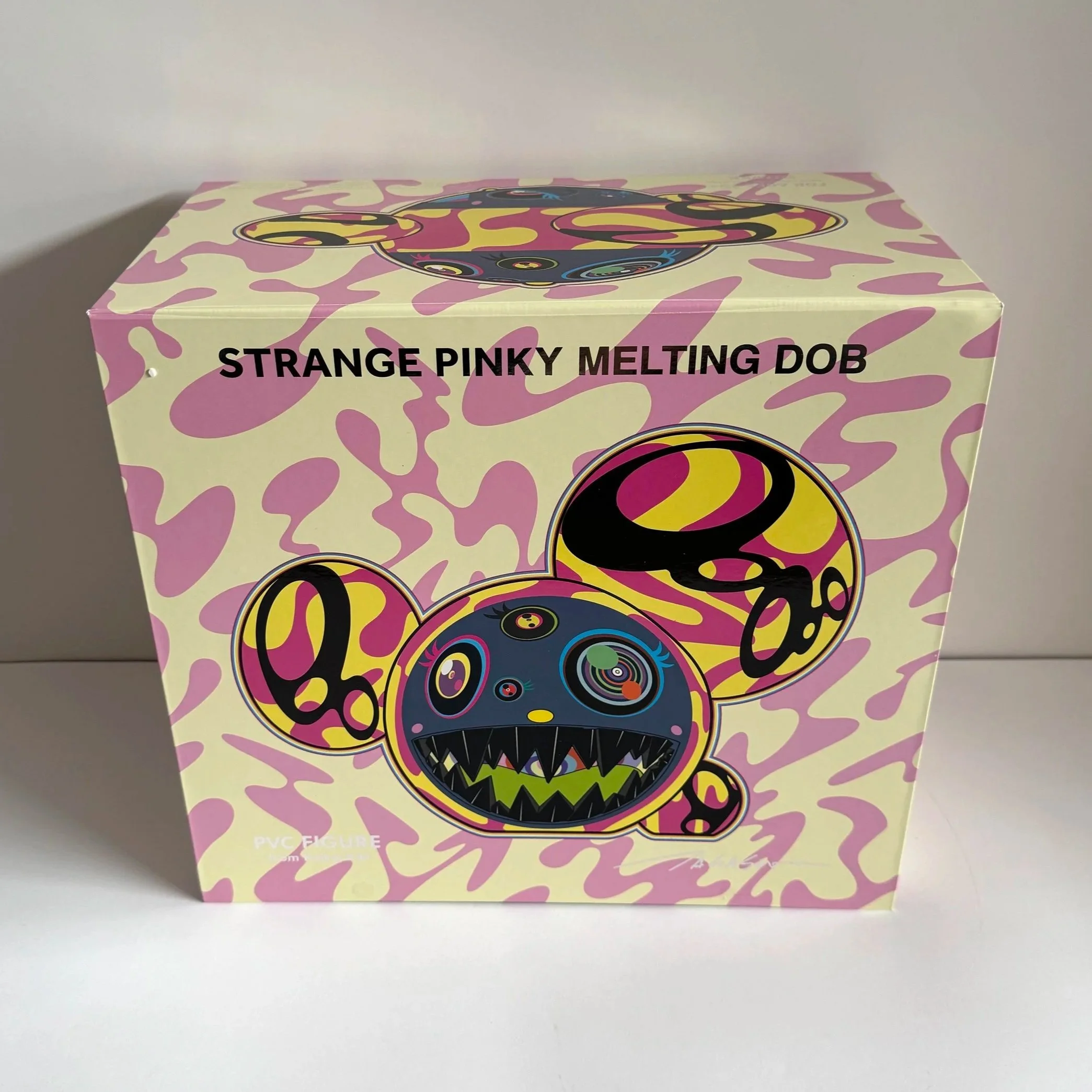
✔ Mint condition, coming in its original box
FREE SHIPPING WORLDWIDE
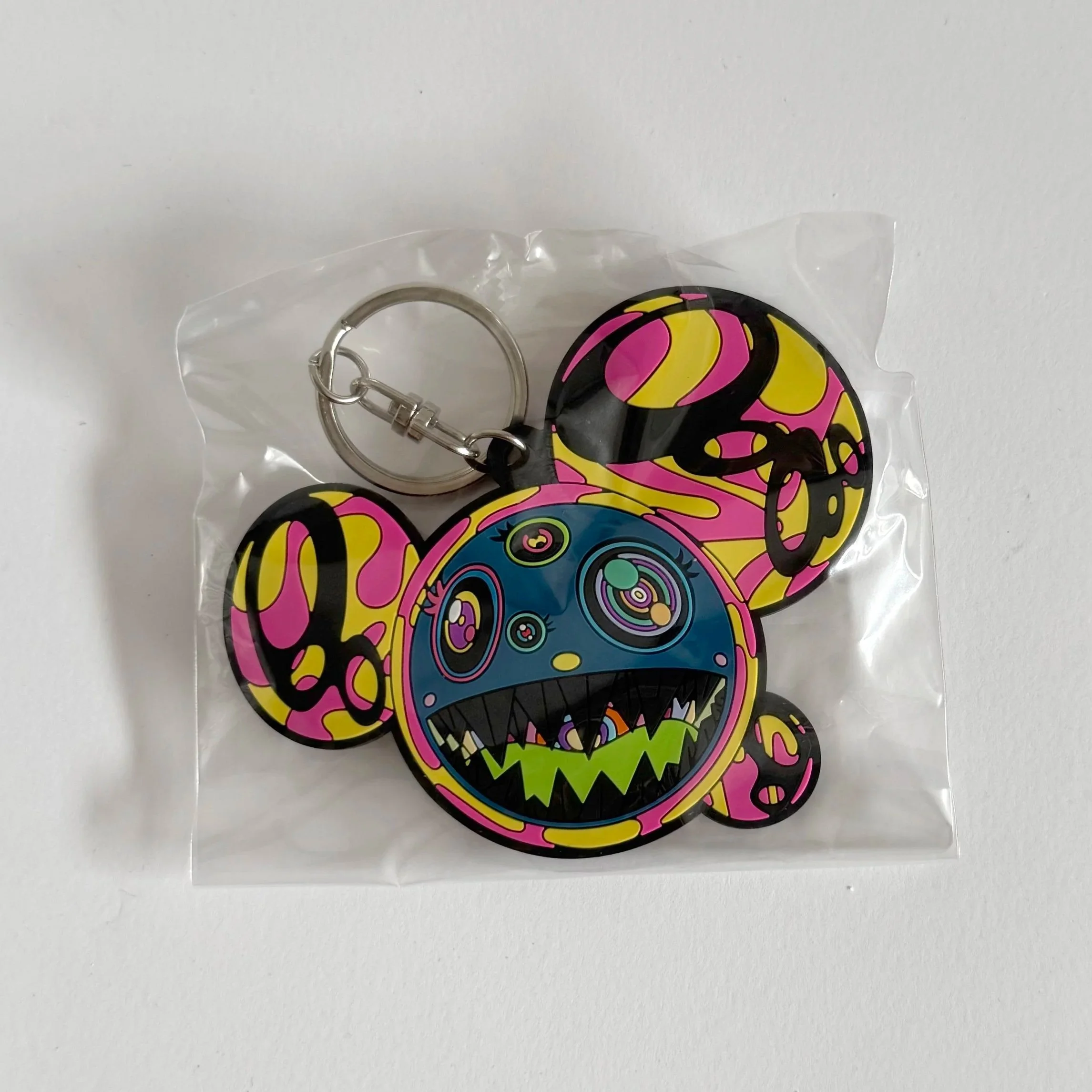
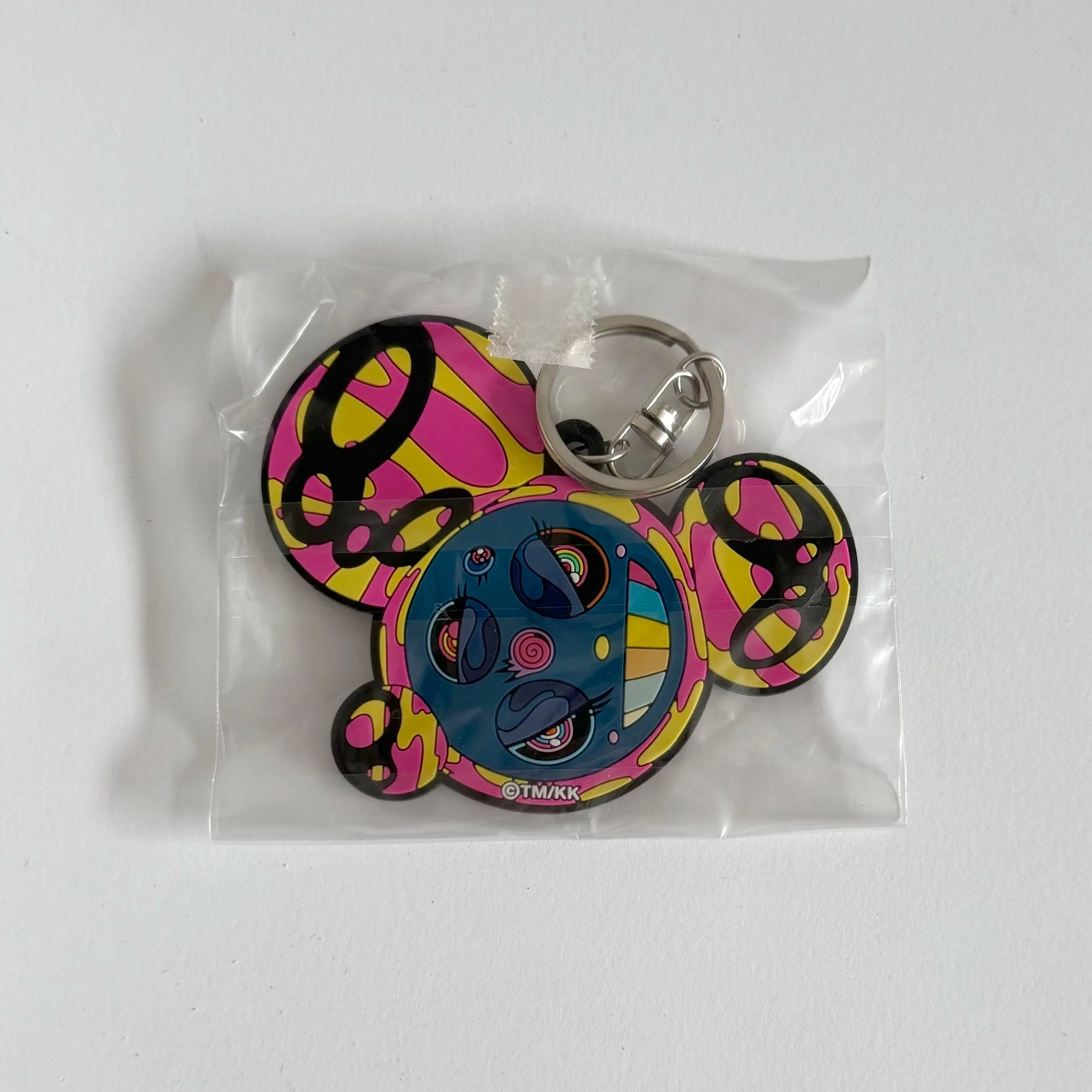
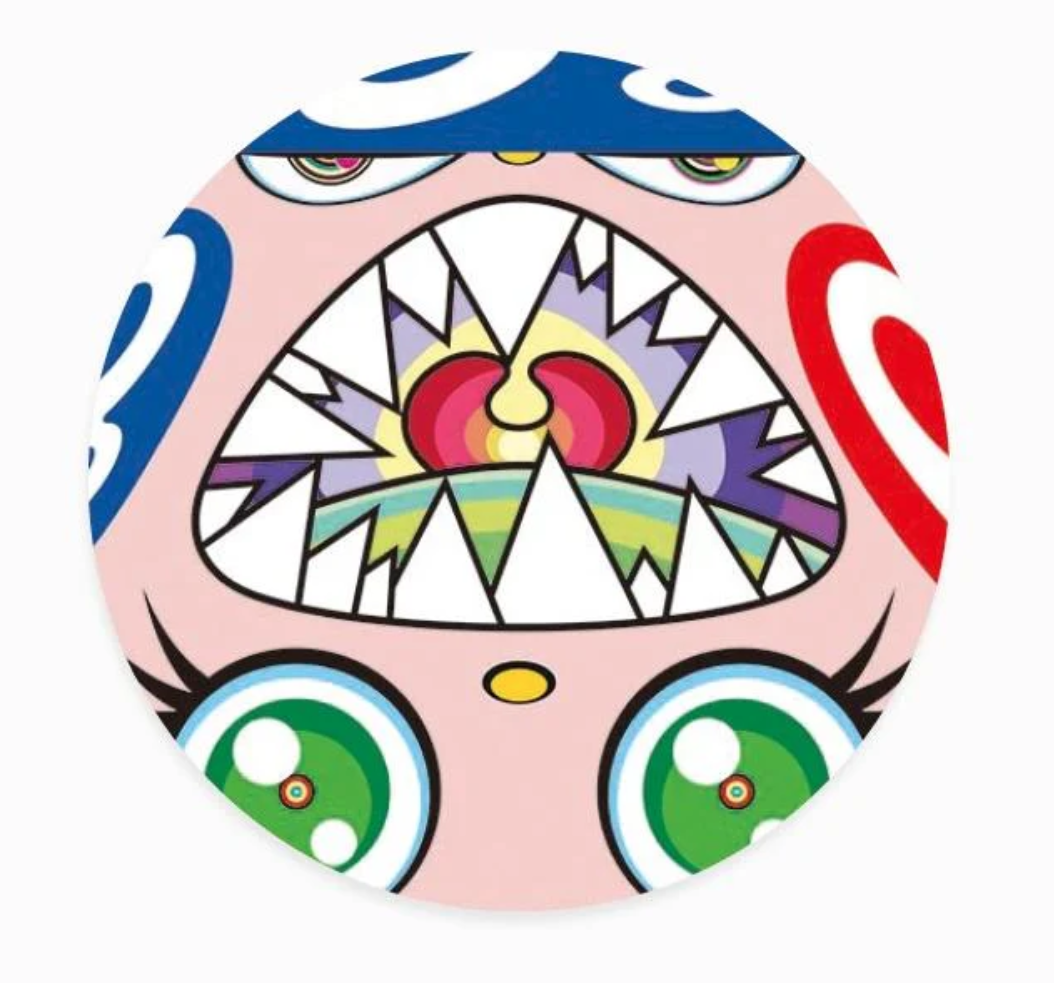
A striking and surreal reinterpretation of Mr. DOB, ICE BLUE MELTING DOB presents Takashi Murakami’s iconic alter ego in a liquified, ice-blue form that appears to dissolve before the viewer’s eyes. Blending playful pop aesthetics with subtle psychological tension, the sculpture embodies Murakami’s signature Superflat universe while introducing a sense of instability and transformation beneath its glossy surface.
Mr. DOB was actually Mr. DOB’s first original character, created in the early 1990s. The name “DOB” comes from a Japanese slang phrase “dobojite, dobojite” (どぼじて), loosely meaning “why?”—a subtle hint that behind the cheerful visuals, Murakami is constantly questioning culture and meaning.
2020
Produced by Kaikai Kiki Co., Ltd., 2020
© Takashi Murakami / Kaikai Kiki Co., Ltd. All rights reserved.
cast vinyl figurine, painted, with metal disc base
H 25.3 × W 31.5 × D 18.1 cm | H 10.0 × W 12.4 × D 7.1 inches
✔ Limited edition of 150 only
✔ Numbered COA
✔ Mint condition, coming in its original box
FREE SHIPPING WORLDWIDE
A striking and surreal reinterpretation of Mr. DOB, ICE BLUE MELTING DOB presents Takashi Murakami’s iconic alter ego in a liquified, ice-blue form that appears to dissolve before the viewer’s eyes. Blending playful pop aesthetics with subtle psychological tension, the sculpture embodies Murakami’s signature Superflat universe while introducing a sense of instability and transformation beneath its glossy surface.
Mr. DOB was actually Mr. DOB’s first original character, created in the early 1990s. The name “DOB” comes from a Japanese slang phrase “dobojite, dobojite” (どぼじて), loosely meaning “why?”—a subtle hint that behind the cheerful visuals, Murakami is constantly questioning culture and meaning.

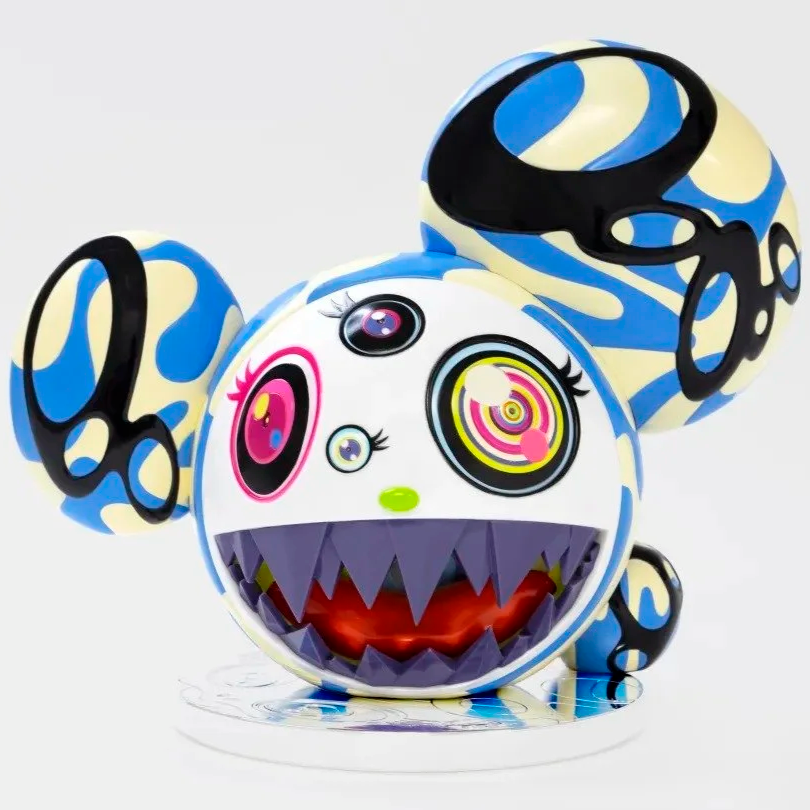 Image 1 of 7
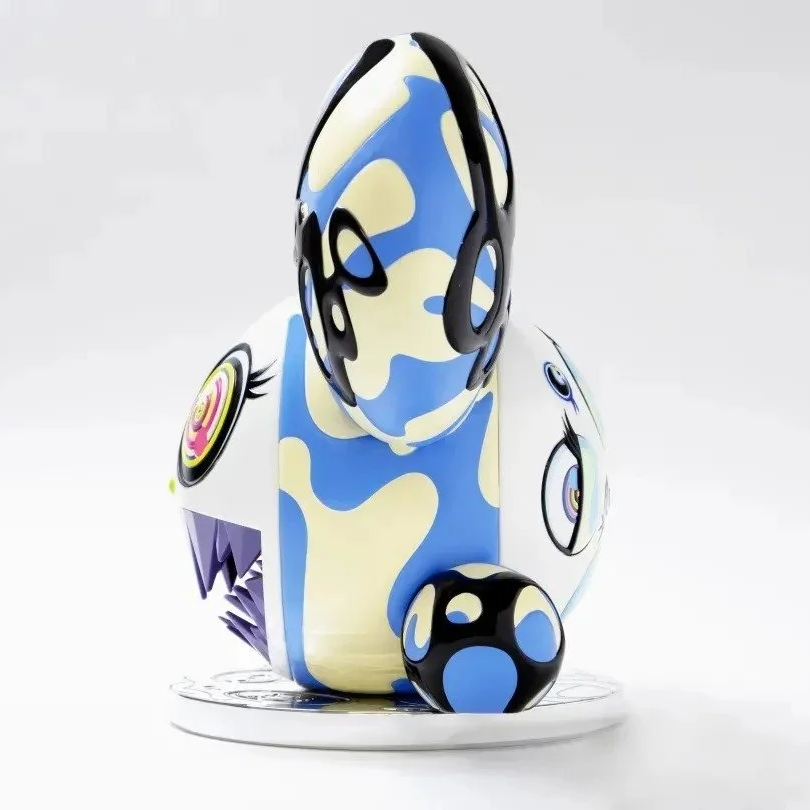 Image 2 of 7
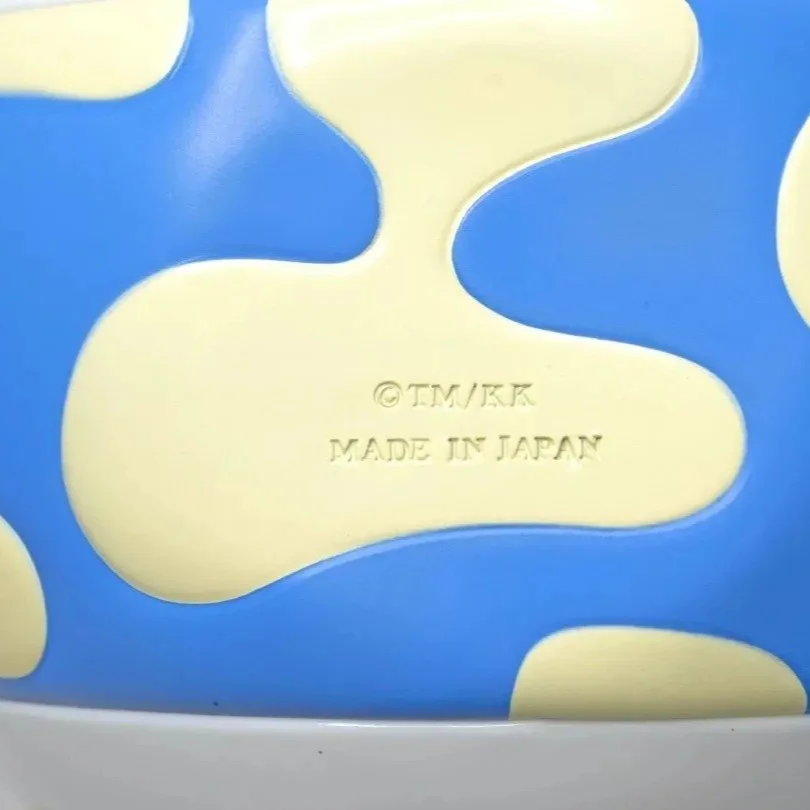 Image 3 of 7
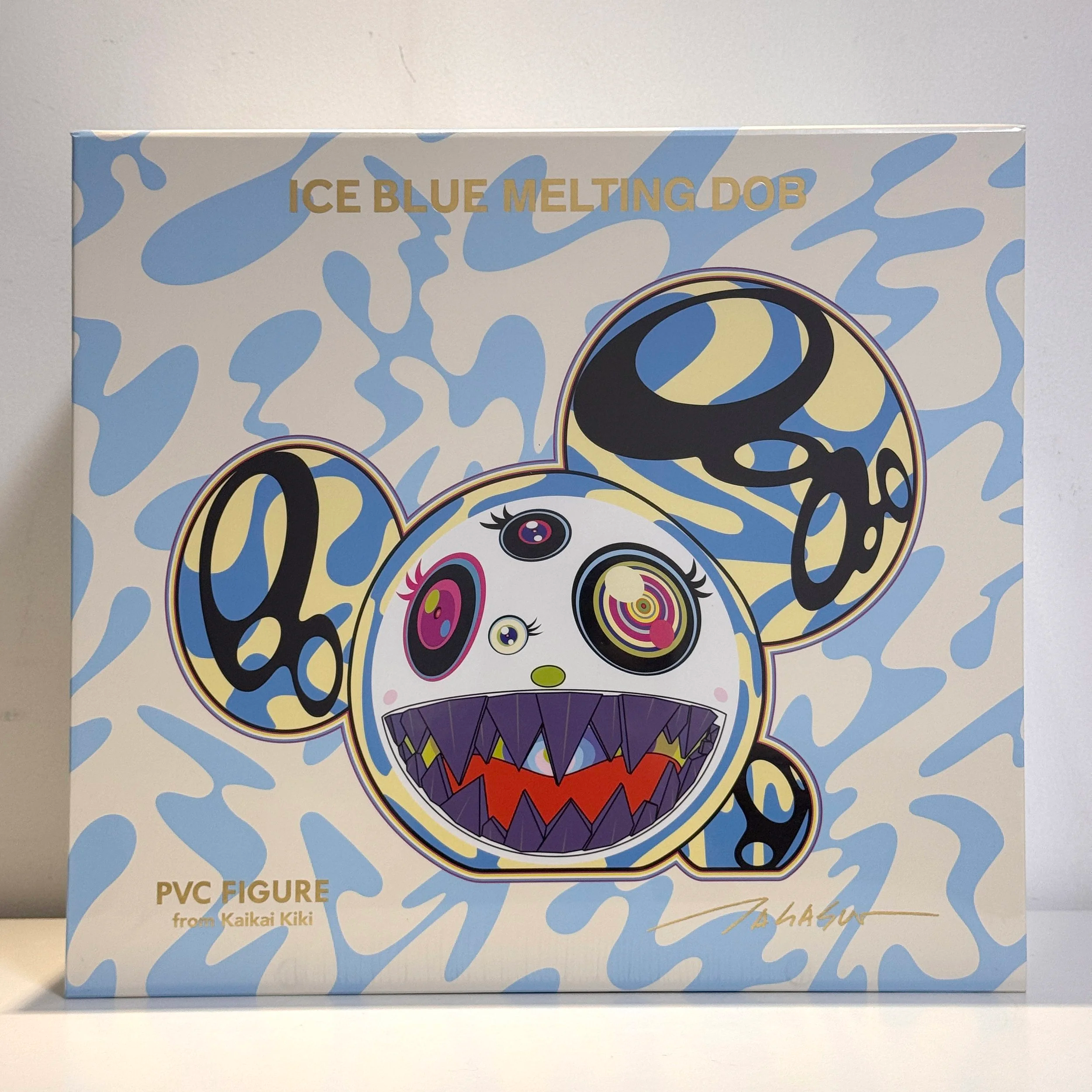 Image 4 of 7
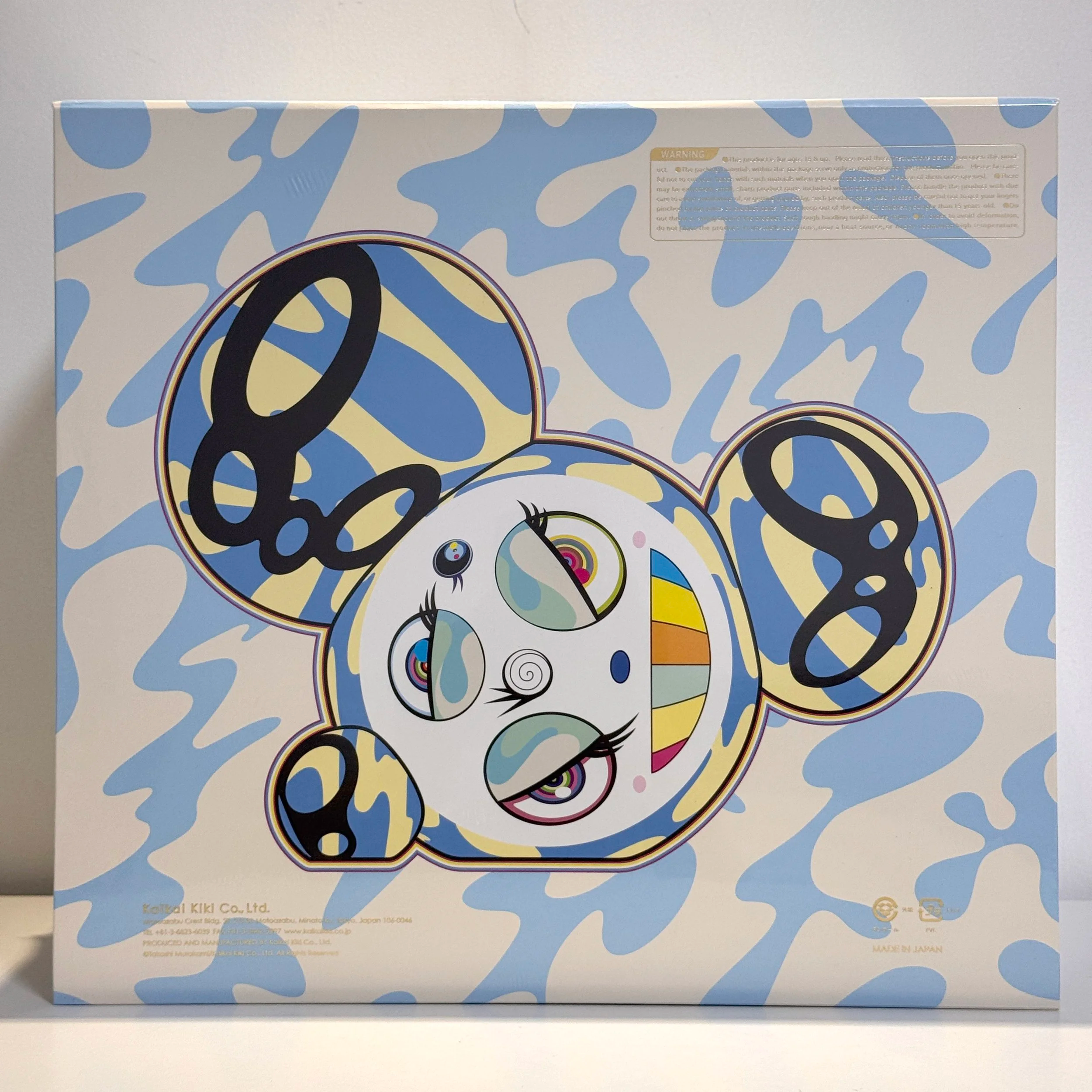 Image 5 of 7
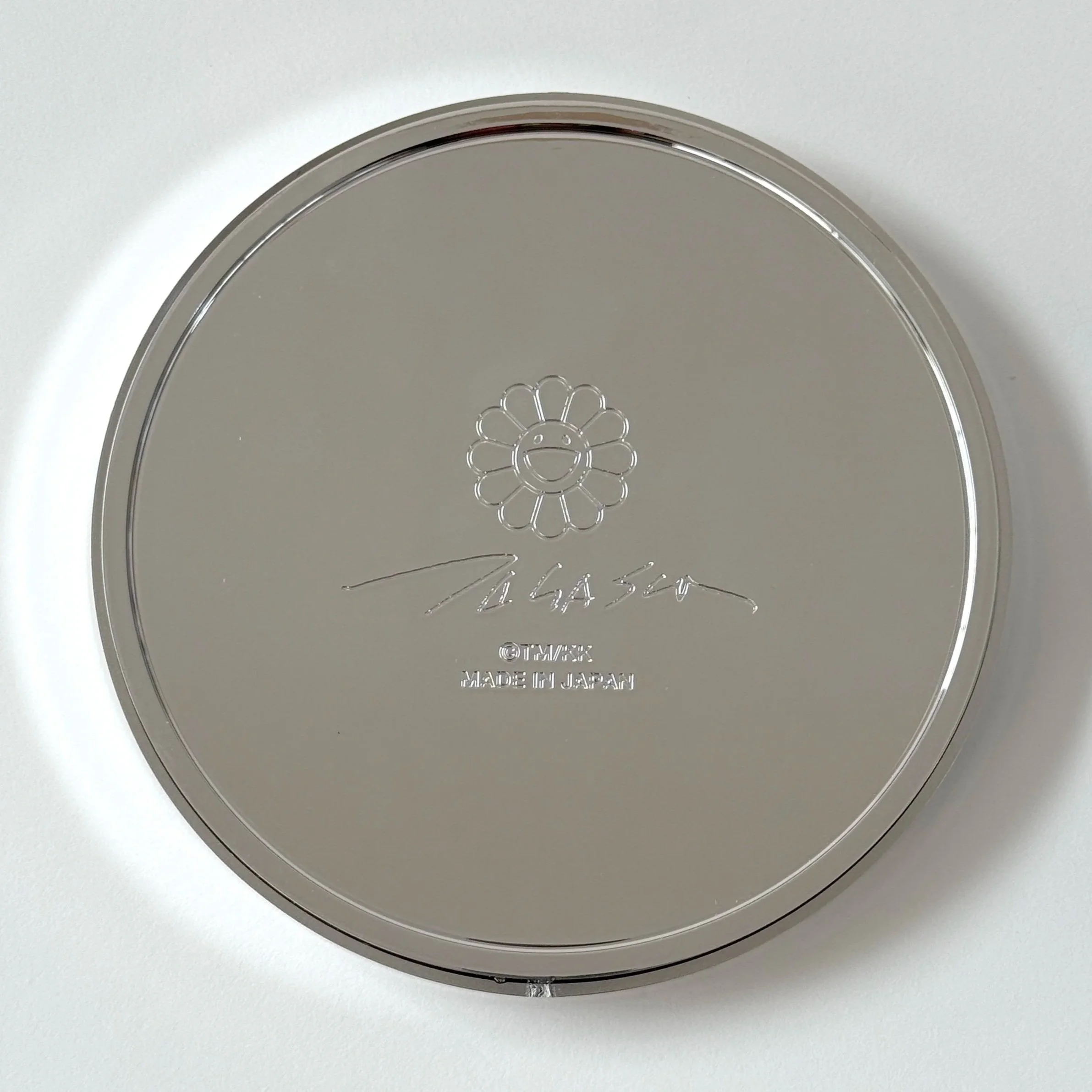 Image 6 of 7
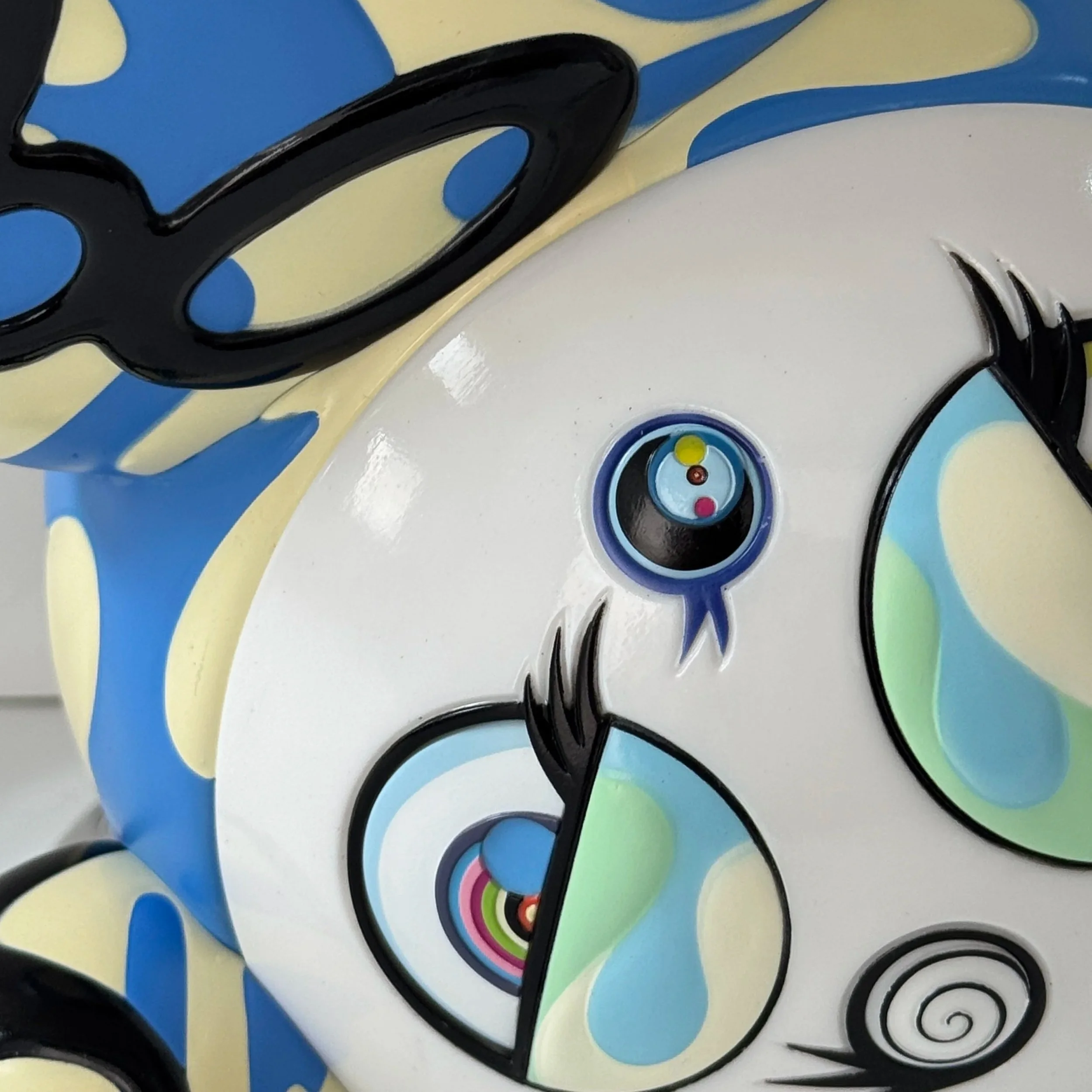 Image 7 of 7